Australia & Pacific
Papua New Guinea
Papua New Guinea
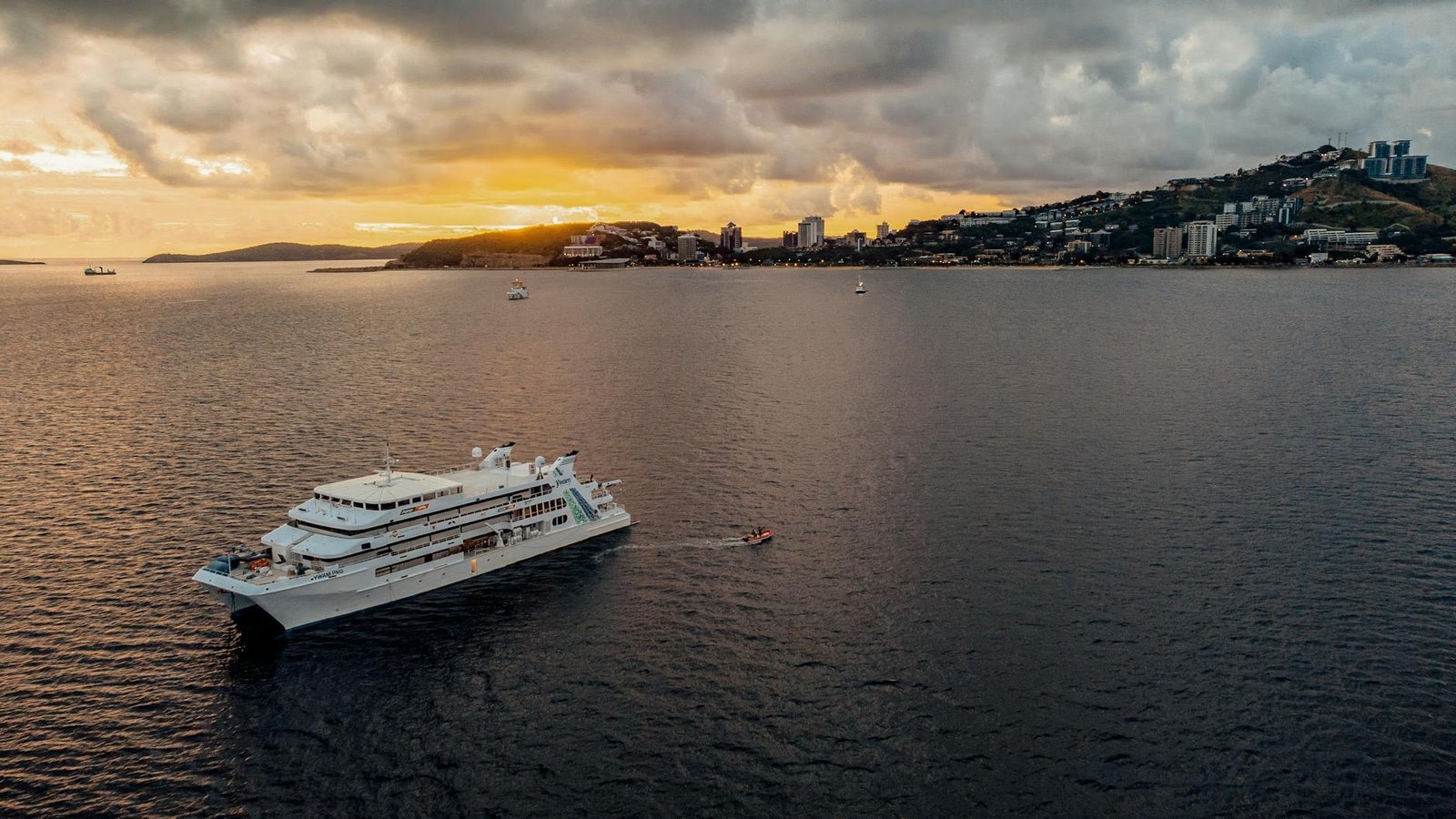
Ships anchor offshore; tender boats required to reach the islands.
The Conflict Islands are home to several Japanese and Allied wrecks from WWII. The most visited is the Kuma, a Japanese freighter sunk during the war. Wrecks sit in shallow water (15–30 feet), making them accessible for snorkelers. Coral, fish, and historical artifacts (anchors, propellers, gun mounts) are visible. A guide adds crucial context and ensures safe entry.
Walk sandy tracks through palm forest on one of the larger islands. Spot tropical plants, occasional wildlife (birds, crabs), and traces of human settlement (old plantation sites, small villages). Views over lagoon are peaceful. No structured trail system; exploration is informal and self-paced.
If WWII wrecks are less appealing, snorkel the living coral reefs nearby. Soft and hard corals, tropical fish (parrotfish, sweetlips, groupers), and occasionally reef sharks and rays inhabit shallow zones. Less historically charged than wreck sites but equally rewarding for marine naturalists.
Book with the ship, or on your own?
Booking independently
When the ship’s excursion makes sense
We may earn a commission when you book through our links, at no extra cost to you — it’s how we keep these guides free.
Check The Port Traffic
Once you have your shore plan, use the schedule to see how busy the harbour will be on your date, plus the ships, lines, and published call windows.
The Conflict Islands are a remote cluster off the southeast coast of Papua New Guinea, accessible only by tender from anchored expedition ships. There is no port infrastructure, town, or commercial hub—just islands, shallow reefs, and a handful of WWII wreck sites. Ships typically dock for 4–8 hours. The main appeal is snorkeling around Japanese and Allied wrecks (most famous: the Kuma freighter) and exploring small islands on foot. This is not a leisure-tourism destination; it is an expedition stop designed for history-focused and diving-minded passengers. Go ashore if WWII history or wreck snorkeling excites you. Skip if you need shops, meals, or comfort.
The Conflict Islands are remote and sparsely inhabited. There is no police presence, medical facility, or emergency services on the islands themselves. All medical emergencies are handled by the ship. Tender operations are subject to weather and sea state; rough conditions may prevent ashore access. Snorkeling at WWII wrecks carries inherent risk—wrecks are partially corroded, have tight spaces, and sharp edges. Never enter wreck interiors without technical dive training. Respect local protocols; ask permission before photographing people or settlements. Petty theft is rare but possible; do not leave valuables unattended on the beach. Respect the islands as a war grave and protected historical site.
The islands have no paved surfaces, handrails, or accessible facilities. Terrain is rocky, slippery when wet, and uneven. Tender embarkation requires reasonable mobility and balance. Snorkeling requires swimming ability and comfort in open water. Wheelchairs are not practical. Those with mobility, hearing, or vision limitations should consult the ship's accessibility team before booking an island excursion.
Ships anchor offshore; there is no terminal building. Tender drops you at a beach or small dock on one of the islands. You will see sand, coconut palms, possibly a few local structures (shelters, old coconut plantation remnants), and open sea. The first impression is remote and undeveloped—which is the point. Expect calm tropical air, bright sun, and quiet. Locals, if present, are friendly but few. There are no shops, food vendors, or tourist infrastructure beyond what the cruise line provides.
Sandy beach with calm, shallow water near tender landing. Usually the main access point. Minimal shade; basic shelter structures may exist. Used for reef snorkeling and beach breaks.
Protected lagoon water between islands is very shallow (3–8 feet), clear, and calm. Suitable for weak swimmers and children under supervision. Some coral and fish present but not as prolific as outer reef.
There are no restaurants, cafés, or food vendors on the Conflict Islands. You must eat aboard ship. Stock up on snacks (energy bars, fruit, nuts) and water before tendering ashore. Dehydration is a real risk in the tropical sun and salt water. Some cruisers pack a picnic lunch to eat on the beach, but the ship's dining room is more reliable and comfortable. If you have dietary restrictions or prefer to graze, inform the ship's dining staff in advance so they can prepare packed meals.
There is no shopping. No souvenir stands, no markets, no grocery stores. Do not expect to buy gifts, supplies, or local crafts ashore. All essentials must come from the ship's onboard shop or your own luggage. Some expedition cruises arrange pre-departure talks on local history and culture; ask the expedition leader if cultural items or crafts can be purchased aboard.
Only way to reach islands from anchored ship. Operators shuttle passengers to designated beach or dive sites.
Local guides lead group snorkeling at wreck sites or walks on island trails. Usually booked via ship's shore excursion desk.
If you are an experienced snorkeler and conditions are calm, you may snorkel independently near tender drop-off beaches. Check with crew first.
Details last checked April 2026
Planning a cruise here?
Windstar sail to Conflict Islands.
You can snorkel independently at calm beach areas if you are an experienced snorkeler, but guided wreck excursions are strongly recommended for safety, historical accuracy, and wreck navigation. Always use the buddy system and check sea conditions with crew before entering water.
If seas are too rough, the captain may cancel tender service. You will remain aboard ship. No refunds are issued for weather-related cancellations on expedition cruises; this is part of remote travel. Check the daily bulletin each morning.
Island walks and shallow lagoon snorkeling are fine for children 6+. Deep wreck snorkeling is not recommended under age 10–12 without adult supervision and experience. Verify child policies with the ship's expedition team before booking excursions.
Find cruises to Conflict Islands, Papua New Guinea
Compare sailings and book with no fees — best price guaranteed.
We may earn a commission when you book through our links, at no extra cost to you — it’s how we keep these guides free.
Tell us your sail date and we’ll email you a short Conflict Islands plan about 60 days out — when the good excursions start selling out — plus a final checklist 2 weeks before. Two emails, then done. We’ll send one note to confirm it’s really you — unsubscribe anytime.