AmaLilia
Times not published
Itinerary: 11 Nights Africa Cruise (11 nights)
Egypt
River ships moor alongside at the riverside landing; passengers walk ashore by gangway.
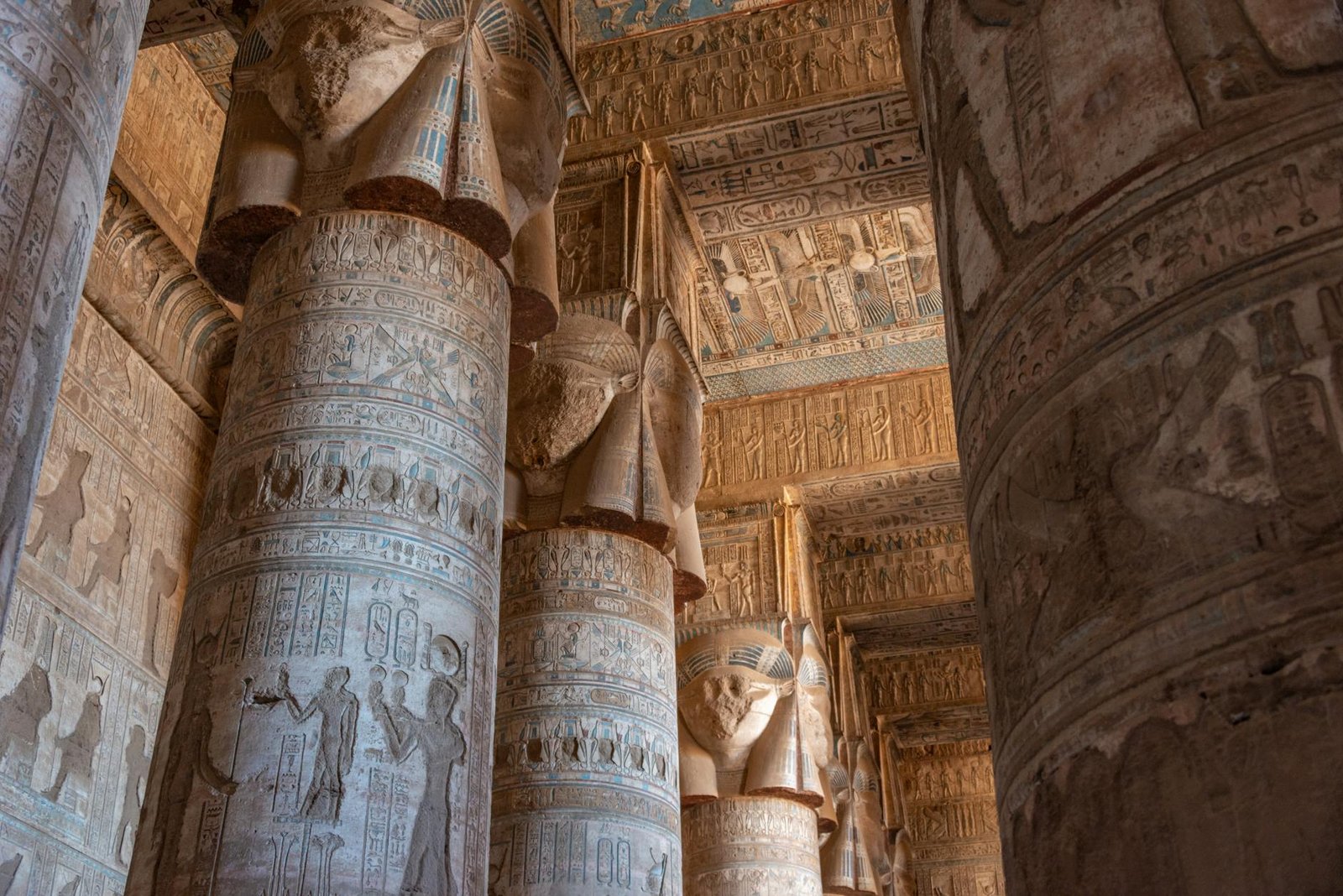
Ptolemaic-era temple (1st century BCE) dedicated to Hathor, goddess of love and fertility. Features soaring limestone columns, vibrant hieroglyphic carvings, a rare surviving zodiac ceiling in the astronomical chamber, and multi-story galleries. Largely intact compared to other Egyptian temples.
Temple of Seti I, one of Egypt's best-preserved. Roughly 50 km south; sometimes offered as a longer full-day or half-day excursion. Features detailed hieroglyphics and underground chapels. Only accessible via organized tour; not a casual visit.
Book with the ship, or on your own?
Booking independently
When the ship’s excursion makes sense
We may earn a commission when you book through our links, at no extra cost to you — it’s how we keep these guides free.
Check The Port Traffic
Once you have your shore plan, use the schedule to see how busy the harbour will be on your date, plus the ships, lines, and published call windows.
Times not published
Itinerary: 11 Nights Africa Cruise (11 nights)
Qena sits on Egypt's Nile River, roughly 600 km south of Cairo. Ships anchor offshore; tenders ferry cruisers to a modest floating terminal or small dock. The port itself has little independent infrastructure—no significant shops, limited free attractions, and sparse English signage. The sole draw is Dendera Temple (Temple of Hathor), a Ptolemaic-era complex 5–10 km north, reached only by organized tour or taxi. This is not a casual walk-off port; nearly all shore time is spent on a pre-booked excursion. Most river cruisers (Viking, AmaWaterways) include Dendera in their itinerary and offer it as a guided or optional paid tour. Independent travel is possible but inefficient and not recommended for short calls.
Qena and surrounding areas are generally stable and routinely visited by tourist groups. Solo wandering far from organized excursions is not advisable—roads are unpaved in places, locals may pressure visitors for donations or unofficial guides, and English is minimal. Stick to ship-arranged tours or use a vetted local guide. Petty theft is rare but possible in crowded areas; keep valuables secure. Women travelers should avoid walking alone after dusk. Do not photograph locals or military installations without permission. Water quality: tap water is unsafe; drink bottled water only.
Terrain is uneven. Dendera Temple involves climbing steps and navigating stone floors; wheelchair access is limited. Tenders can be difficult for those with mobility issues—rocking boats, steep boarding, and limited assistance. The temple itself is not wheelchair-friendly. Advise your cruise line in advance if accessibility is a concern; staff may suggest staying onboard.
The tender dock or floating terminal opens onto a small concrete area with a few kiosks selling bottled water, sodas, and basic souvenirs. Beyond that, rough roads, dust, and a handful of parked minibuses. English speakers are few. The broader Qena town is 3+ km away and not easily accessed on foot. No formal promenade or walking district. First impression: industrial, dusty, and sparse. Most cruisers board a coach within 15 minutes.
Onboard dining is safest and included with your cruise. If you leave the terminal area, restaurants near Qena town cater to locals and may not meet cruise-ship sanitation standards. Some organized excursions include a Nile-side lunch or offer stops at tourist-friendly cafés. Tap water is unsafe; drink bottled water. Avoid raw vegetables unless served by a reputable restaurant. Street food is inexpensive but carries food-safety risk. Egyptian bread, tea, and simple mezze (dips) are generally safe if freshly prepared.
Souvenir kiosks at the terminal sell postcards, papyrus replicas, scarves, and trinkets at inflated tourist prices. Quality is poor; negotiation is expected but prices remain high. Dendera Temple has a small gift shop with better-quality goods (books, replicas, jewelry). Avoid unofficial street vendors; pressure to buy is high and goods are often counterfeit. Best strategy: shop onboard or in larger ports (Aswan, Cairo) if you want authentic Egyptian items.
Coach departs terminal, drives 20–30 min to Dendera Temple, includes guide, entry, and return. Most reliable and efficient option.
Book bus ticketsUnofficial taxis wait near terminal. Driver negotiates fare to Dendera. No meter; no guaranteed guide or entry coordination.
Book a transfer 5% off with code TPO5 at checkoutUse tender to reach dock; explore immediate terminal area or return to ship.
Details last checked September 2026
Planning a cruise here?
Viking River Cruises, AmaWaterways sail to Qena (Dendera).
Yes, if you're interested in Egyptian history and Dendera Temple. No, if you prefer beaches, independent walking, or avoiding tenders. River cruises usually bundle this port; evaluate the full itinerary, not just Qena in isolation.
Technically yes, but not recommended. The port lacks infrastructure, signage is in Arabic, and getting to Dendera independently is inefficient and unsafe. Stick with the ship's organized tour.
Usually 10–20 minutes from ship to dock, depending on weather and current. In rough seas, tender operations may be delayed or suspended. All-aboard times are strict; plan to return 30 minutes early.
Find cruises to Qena (Dendera), Egypt
Compare sailings and book with no fees — best price guaranteed.
We may earn a commission when you book through our links, at no extra cost to you — it’s how we keep these guides free.
Tell us your sail date and we’ll email you a short Qena (Dendera) plan about 60 days out — when the good excursions start selling out — plus a final checklist 2 weeks before. Two emails, then done. We’ll send one note to confirm it’s really you — unsubscribe anytime.