Asia
Asia
Kitakyushu Cruise Port Guide: Transport, Excursions & Planning Tips
Japan
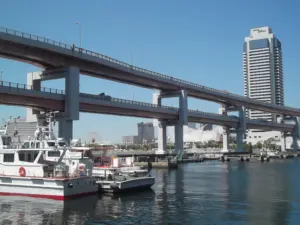
Modern international cruise terminal with direct pier access in Mojiko district.
Choose the Right Port Day
Best Overall
Take the train to Mojiko Retro District (40 min): walk the preserved Meiji-era streets, visit the Railway Museum or Harbor Museum, eat local food. Most rewarding for a 6+ hour port day.
Best Beach
Not relevant. Kitakyushu has no beach attractions worth a cruise port visit.
With Kids
Mojiko Retro District (40 min by train + walk): old-fashioned shopping streets, cafés, and a small history museum. Kid-friendly but requires planning for train timing.
Only 3-4 Hours
Skip exploring; stay near the terminal or take a quick taxi to central Kokura for lunch and a walk along the riverside park. Realistic, low-stress.
Cheapest Option
Local train to Kokura Station (~¥200), walk the Riverwalk Park and grab ramen or okonomiyaki, return by train (~2 hours total, ~¥500 including food).
What To Avoid
Do not expect the port terminal itself to be worth exploring—it is functional, not scenic. Avoid paid shore excursions unless they include meals or specialist guides; independent train travel is far cheaper and nearly as easy.
Quick Take
- Port Type
- Gateway / Transit Port
- Best For
- Cruisers embarking/disembarking, or those with 6+ hours willing to take a train to nearby attractions.
- Avoid If
- You expect a beach resort feel, shopping malls, or easy walkable attractions from the dock.
- Walkability
- Dock area is industrial; not walkable. City center (Kokura) is 15–20 min by train or taxi.
- Budget Fit
- Low to moderate. Excursions require transport; independent exploration is cheapest.
- Good For Short Calls?
- Possible but tight. Mojiko Retro is the only realistic same-day half-day option; plan ahead.
Top Things To Do
1
Mojiko Retro District
A carefully preserved Meiji-era (1868–1912) waterfront with brick buildings, restored warehouses, and tree-lined streets. Home to the Railway Museum, Harbor Museum, and dozens of cafés and small shops selling local crafts, sweets, and souvenirs. Easily walkable and atmospheric. The streets feel like stepping into early 20th-century Japan.
2
Kokura Castle & Riverwalk Park
A reconstructed castle (1959) with views over the city, surrounded by parks. The interior is a history museum. The riverside promenade (Riverwalk Park) is pleasant for a walk, with restaurants and small vendor stalls. Less atmospheric than Mojiko but closer and quicker to reach.
3
Industrial Heritage Walking Tour (Self-Guided or Curated)
Kitakyushu's economy was built on steel and coal. Cruise lines sometimes offer curated tours of former factories and industrial sites, now converted to museums or observation points. The Yawata Steel Works (partially) and the Museum of Modern Art (housed in a former industrial building) are examples. Less polished than Mojiko but a genuine peek into Japan's modern history.
Book with the ship, or on your own?
Booking independently
- Often noticeably cheaper than the ship’s version of the same tour.
- Smaller groups and local operators, with traveler reviews you can read before you pay.
- Free cancellation on most tours, usually up to 24 hours before.
When the ship’s excursion makes sense
- Short port calls or long transfers where the timing is tight.
- Tender-only stops where getting ashore can run late.
- The ship waits for its own delayed excursions — it won’t wait for independent ones, so leave a buffer before all-aboard.
We may earn a commission when you book through our links, at no extra cost to you — it’s how we keep these guides free.
Check The Port Traffic
Cruise Ships in Port
Once you have your shore plan, use the schedule to see how busy the harbour will be on your date, plus the ships, lines, and published call windows.
Sun
Mon
Tue
Wed
Thu
Fri
Sat
1
2
3
4
5
6
7
8
9
10
11
12
13
14
15
16
17
18
19
20
21
22
23
24
25
26
27
28
29
30
Quiet (1–2)
Busy (3–4)
Packed (5+)
0 scheduled calls
September 21, 2026
No scheduled cruise ship calls were found for this date selection. Pick a highlighted day on the calendar above, widen the range, or search for a different ship or line.
Port Overview
Kitakyushu is Japan's northernmost major industrial city and a key embarkation port for Asian cruises. Ships dock at a busy, functional container and RoRo terminal—not a destination in itself. The port is clean and orderly, but there are no attractions within walking distance. Most cruisers either use this as a launch point or take a short train journey (20–40 min) to explore nearby Kokura or the Mojiko Retro District, a preserved Meiji-era waterfront with historic architecture, museums, and local food. If you have 4 hours or fewer, stay close; if you have 6+ hours, a train trip is worth the effort. This is not a leisure resort port; it's a practical hub.
Is It Safe?
Kitakyushu is a safe, orderly industrial city. The port area is well-policed and secure. Street crime is very low. Women traveling alone or in small groups should feel comfortable using public transport and walking in city centers. Avoid the port area at night if you have time to explore; it is industrial and less vibrant after dark. Petty theft is rare but stay aware in crowds. Police presence is visible and helpful.
Accessibility & Walkability
The terminal is modern and wheelchair-accessible. Trains and stations are generally accessible with elevators, though staff assistance may be needed; alert station staff when you board. Streets in Kokura and Mojiko are mostly flat and well-maintained, but Mojiko's Retro District has some narrow, older pavements. Accessible toilets are available at major stations and in city centers. If mobility is limited, a taxi or shuttle is the most practical option.
Outside the Terminal
Exit the terminal to find a clean, modern forecourt with taxis queuing to the left. Signage is in Japanese and English. The immediate surroundings are industrial—cargo cranes, logistics buildings, and truck traffic. There are no shops, cafés, or attractions visible from the dock. The waterfront is functional and not scenic. Within 5–10 min of walking, you will reach the local train station or can call a taxi. The overall mood is orderly but dull; this is a working port, not a leisure destination.
Local Food & Drink
Kitakyushu has excellent local food rooted in coal-miner and working-class traditions. Yaki-uma (grilled squid) and okonomiyaki (savory pancakes) are specialties. Ramen shops are ubiquitous and cheap (~¥600–1,000 USD / $4–7 USD). The Mojiko Retro District has cafés, diner-style restaurants, and small shops selling local sweets and dried goods. Kokura Station and the city center have modern restaurants, convenience stores, and food courts. English menus are rare outside major chains, so pointing at photos or using a translation app is normal. Tap water is safe to drink everywhere.
Shopping
The Mojiko Retro District has small independent shops selling local crafts, pottery, vintage goods, and regional sweets—browsing is more valuable than buying. Kokura has modern shopping centers (Tanga, Riverwalk Plaza) near the station with clothing, cosmetics, and housewares, but nothing unique to Kitakyushu. Convenience stores (7-Eleven, Lawson, FamilyMart) are everywhere and sell snacks, drinks, and souvenirs. Duty-free shopping is limited. If you need functional items (phone chargers, toiletries, clothes), head to Kokura Station; if you want atmosphere and local flavor, stick to Mojiko.
Money & Currency
- Currency
- Japanese Yen (JPY)
- USD Accepted?
- No
- Card Payments
- Credit cards (Visa, Mastercard, Amex) accepted at major restaurants, hotels, and modern shops. Not reliable in small local shops or ramen stands. Smaller museums may not accept cards.
- ATMs
- ATMs at the terminal, train stations, convenience stores, and city centers. 7-Eleven ATMs accept most foreign cards; airport-standard fees apply.
- Tipping
- Tipping is not expected and is considered rude in most contexts. Service charges are included in bills. Round-up or small coins are left only at casual food stalls.
- Notes
- Carry cash (withdrawn from an ATM) for food, transport, and small purchases. Pocket WiFi or a mobile data plan is essential for maps and translation.
Weather & Best Time
- Best months
- May, September, October (mild, low humidity, clear skies).
- Avoid
- July–August (hot and humid, 28–32°C / 82–90°F); December–February (cold, 2–8°C / 35–46°F, occasional rain).
- Temperature
- April–November: 15–27°C (59–81°F). Most cruises call in spring (April–May) or autumn (September–November).
- Notes
- Typhoon season peaks August–September; typhoons are rare at the port itself but can cause delayed departures. Layers are advisable in spring and autumn. Sunscreen and an umbrella are useful year-round.
Airport Information
- Airport
- Fukuoka Airport (FUK)
- Distance
- ~70 km (43 miles); ~90 min by car or train.
- Getting there
- JR train from Kokura Station (~60 min) or taxi/shuttle (~90 min, ¥8,000–12,000 USD / ~$50–80 USD). Some cruise lines arrange airport transfers.
- Notes
- Fukuoka Airport is a major hub for Asia-Pacific routes. If pre-cruising or extending your trip, Fukuoka city (30 min from the airport) is worth a visit. Book transfers in advance if using a shuttle.
Getting Around from the Port
Taxi from port to Kokura Station or Mojiko
Taxis queue at the terminal exit. Drivers rarely speak English; have your destination written in Japanese or use the hotel name. Metered fare.
Book a transfer 5% off with code TPO5 at checkoutTrain (JR or local lines) from port to Kokura or Mojiko
Walk 5–10 min from the terminal to the nearby train station (signage in English). JR trains connect to Kokura and Mojiko. Trains are frequent, clean, and efficient. Pocket WiFi or offline maps are essential.
Book train ticketsShuttle bus or cruise line transportation
Some cruise lines offer shuttle buses or pre-arranged transport for an additional fee. Check your cruise documents.
Book a transfer 5% off with code TPO5 at checkoutDetails last checked April 2026
Planning a cruise here?
Atlas Ocean Voyages, Oceania Cruises sail to Kitakyushu.
Practical Tips for Cruise Passengers
- Arrive at the terminal at least 30 min before your return time if using public transport; trains are reliable but not flexible.
- Download Google Translate and an offline map app (Maps.me or similar) before leaving the ship; WiFi is patchy outside major areas.
- If you have fewer than 4 hours, skip exploration and grab lunch at the Kokura Station food court—it's quick, cheap, and gives you a taste of local life without stress.
- Buy a prepaid IC card (Suica or Pasmo) at the station convenience store if staying multiple days; it saves time on fares and works at vending machines and some shops.
Frequently Asked Questions
No. The terminal is in an industrial zone with no nearby attractions. All worthwhile sites require 15–50 min of transport by train or taxi.
You can absolutely explore on your own. Public trains are frequent, clean, and cheap. An offline map and basic Japanese phrases (or a translation app) are enough. Tours are optional and usually pricier.
Take the train to Mojiko Retro District (40 min), walk the old streets, visit one small museum or cafe, and return to the ship. You'll see the most genuine side of Kitakyushu with time to spare.
Find cruises to Kitakyushu, Japan
Compare sailings and book with no fees — best price guaranteed.
We may earn a commission when you book through our links, at no extra cost to you — it’s how we keep these guides free.
✉ Sailing to Kitakyushu? Get your port-day plan
Tell us your sail date and we’ll email you a short Kitakyushu plan about 60 days out — when the good excursions start selling out — plus a final checklist 2 weeks before. Two emails, then done. We’ll send one note to confirm it’s really you — unsubscribe anytime.
Same itinerary network
View All